ServicesSolar Repair
Solar Repair in Garland
When your solar system stops making power, we track down the cause and fix it. You get photos of what we found and what we did, a written estimate before any repair, and a straight answer on whether a part needs fixing or replacing.
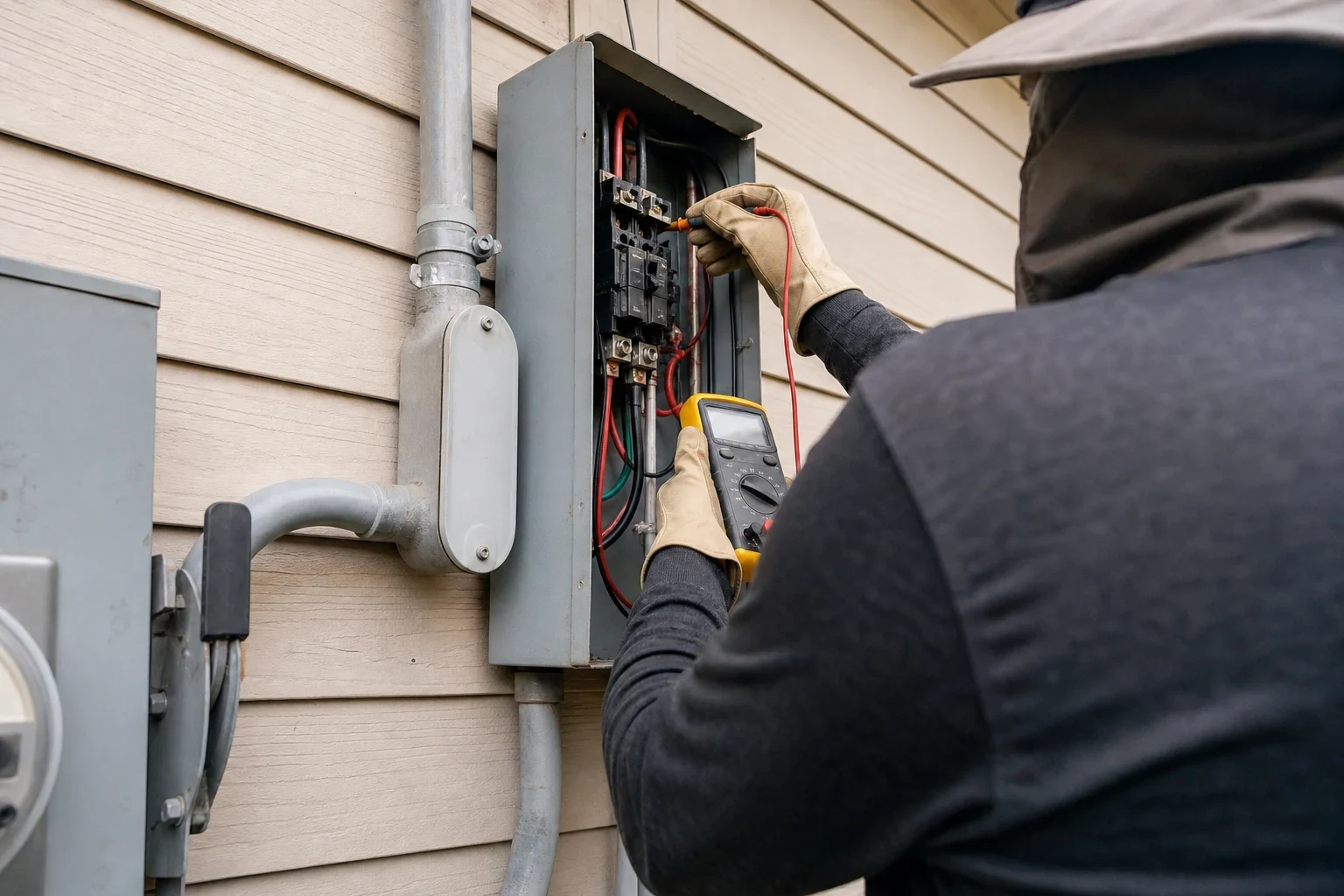
What solar repair covers
Most solar problems are not the panels. They are an inverter that faulted, a connector that worked loose, a wire a squirrel chewed, or a breaker that tripped and never got reset. The panels on your roof can look fine while the system makes nothing.
We test the system end to end, find the actual failure, and photograph it. You see the burned connector or the cracked glass yourself, not just a line on an invoice. Then we fix what is broken and leave the rest alone.
We work on systems in Garland and nearby towns like Rowlett, Sachse, Richardson and Mesquite, including systems another company put in. If the original installer is gone, that is a common reason people reach out to us.
What we check and fix
- Inverter faults
- We read the fault codes on string inverters and microinverters, test input and output, and figure out if it is a reset, a failed part or a dead unit. If it is still under the maker's warranty, our test readings and notes help you file the claim.
- Wiring and connectors
- Loose or corroded connectors under the panels cause heat, lost power and sometimes arc faults. We open up the runs, test each string and replace bad connectors with matched parts.
- Damaged panels
- Hail and falling limbs can crack glass or damage cells. We check panels for cracks and hot spots, then swap out the ones that are failing.
- Critter damage
- Squirrels and birds like the shade under panels and will chew wire. We repair the damage and can add mesh guards around the array edge to keep them out.
- Monitoring and shutdown gear
- If your app shows zero but the sun is out, it may be a communication problem, not a production one. We sort out monitoring, rapid shutdown devices and disconnects so the system reports and shuts off the way it should.
When your system is telling you something is wrong
A higher bill with the same usage
When you use about the same power but the bill keeps rising, the panels are likely making less than before.
Zero readings or flat lines in the app
A whole sunny day at zero, or one panel lagging far behind the rest, usually means trouble with an inverter, a microinverter or the wiring.
Warning lights or fault codes
A red or amber light or an error on the inverter screen means it has turned itself off to keep the system from harm.
The solar breaker won't stay on
That breaker should stay switched on. If it flips off again after a reset, there is a fault on the solar side to track down.
Storm damage you can see
After hail, look for cracked glass, a panel that has moved or wires dangling under the array. Get it checked before more rain finds its way in.
Nests or chewed wire
Droppings, nest scraps or pieces of gnawed wire coating below the panels usually point to animals moving in underneath.
What a repair costs depends on
Two things set the price: the part that failed and how hard it is to reach. Snugging up one connector on the array's edge goes fast. Replacing a dead inverter or a few cracked panels means more parts and more hours. Once we know the cause, we write the estimate, and you see the price before work begins.
The part that failed
A new connector is far cheaper than a new inverter or panel. If the part is still covered by the maker's warranty, you may pay less.
Getting to the problem
Steep roofs, two-story houses and panels deep in the array need more time and more safety gear to reach.
Finding parts that fit
Some older systems have panels or inverters that are out of production. Tracking down one that works with yours can take more effort.
How widespread the damage is
A single bad wire is a short job. Animal damage along a whole string, or hail across many panels, takes longer to test and repair.
How a repair visit goes
- 1
We talk it through by phone
Tell us what you are seeing: the app readings, any codes, when it started. Sometimes we can rule out a simple reset before anyone drives out.
- 2
We test and document
On site we check the inverter, test each string and inspect panels, wiring and mounts. Every problem we find gets a photo.
- 3
You get the findings and a written estimate
We show you what failed and why, and write up the repair line by line. If replacing a part makes more sense than fixing it, we say so and explain why. Nothing gets done until you say go.
- 4
We make the repair and test again
After the fix we run the system and confirm it is producing. You get after photos and the readings, and we clean up wire scraps and old parts before we leave.
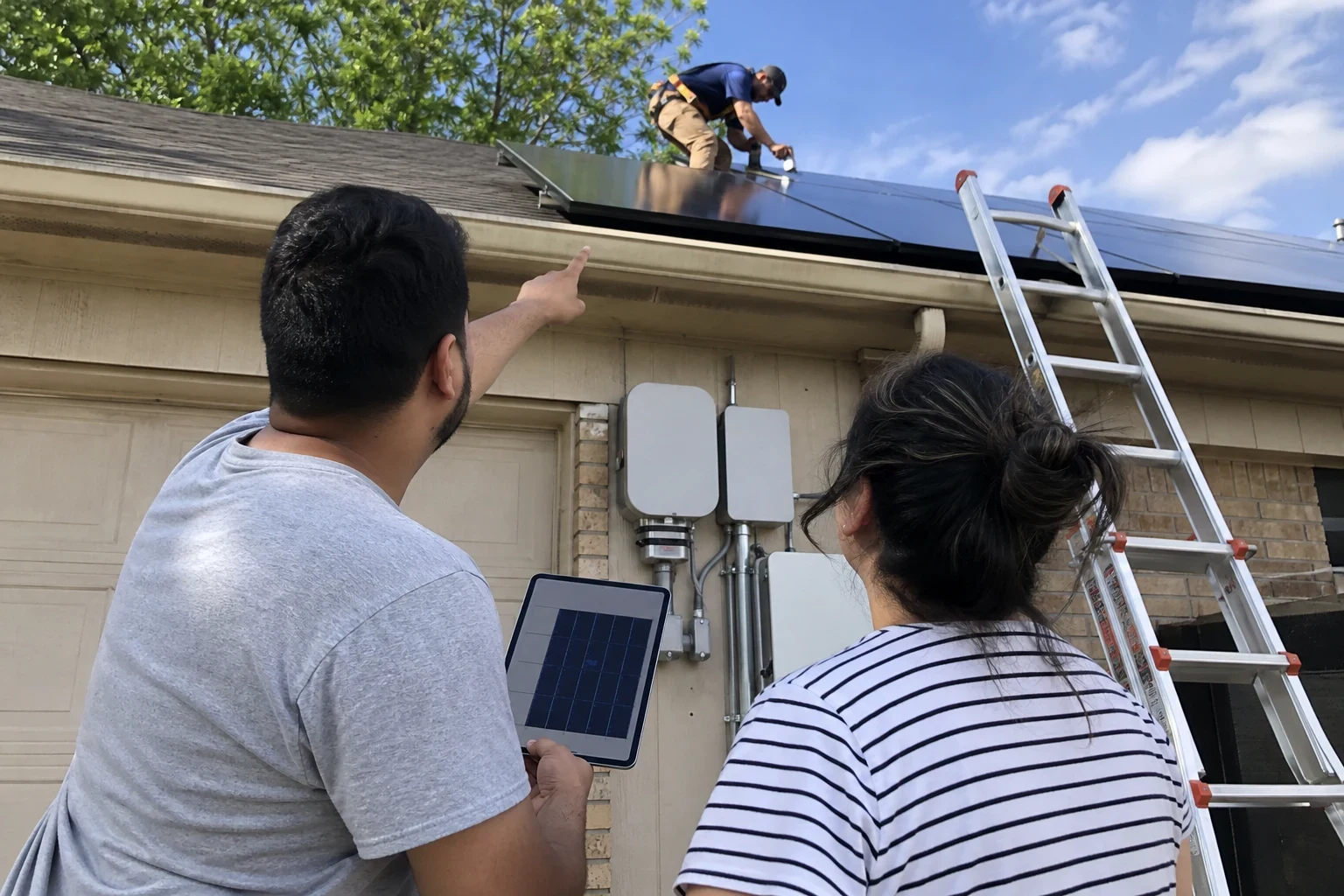
Before you book a repair
My installer went out of business. Can you still fix my system?
Most likely. A lot of the systems we service were put in by someone else, and the brand name on the inverter does not change how we test it. If you kept the install paperwork or a list of the equipment, keep it close when you call. That way we can bring parts that fit on the first trip.
How do I know you are not overselling me?
You see photos of every problem we find, along with the test readings. If a part can be repaired, we tell you that before suggesting a replacement. The written estimate lists each item so you can decide what to do.
Can your records help with my insurance claim after hail?
Our notes and pictures show what was damaged and how, which is the kind of record an adjuster asks for. We are not your adjuster and cannot tell you what your policy covers. We can explain what we found so you can talk to your insurer with the facts.
Is my system still under warranty?
Many panels and inverters carry a maker's warranty for years after install. We can check the model and serial numbers and tell you what we see. If a part qualifies, our test results and records support the claim.
Does someone need to be at the house while you work?
It depends on your setup. The inverter, the disconnects and your main electrical panel often sit inside a garage, and we have to get to all of them. We will work out access with you on the phone ahead of the visit.
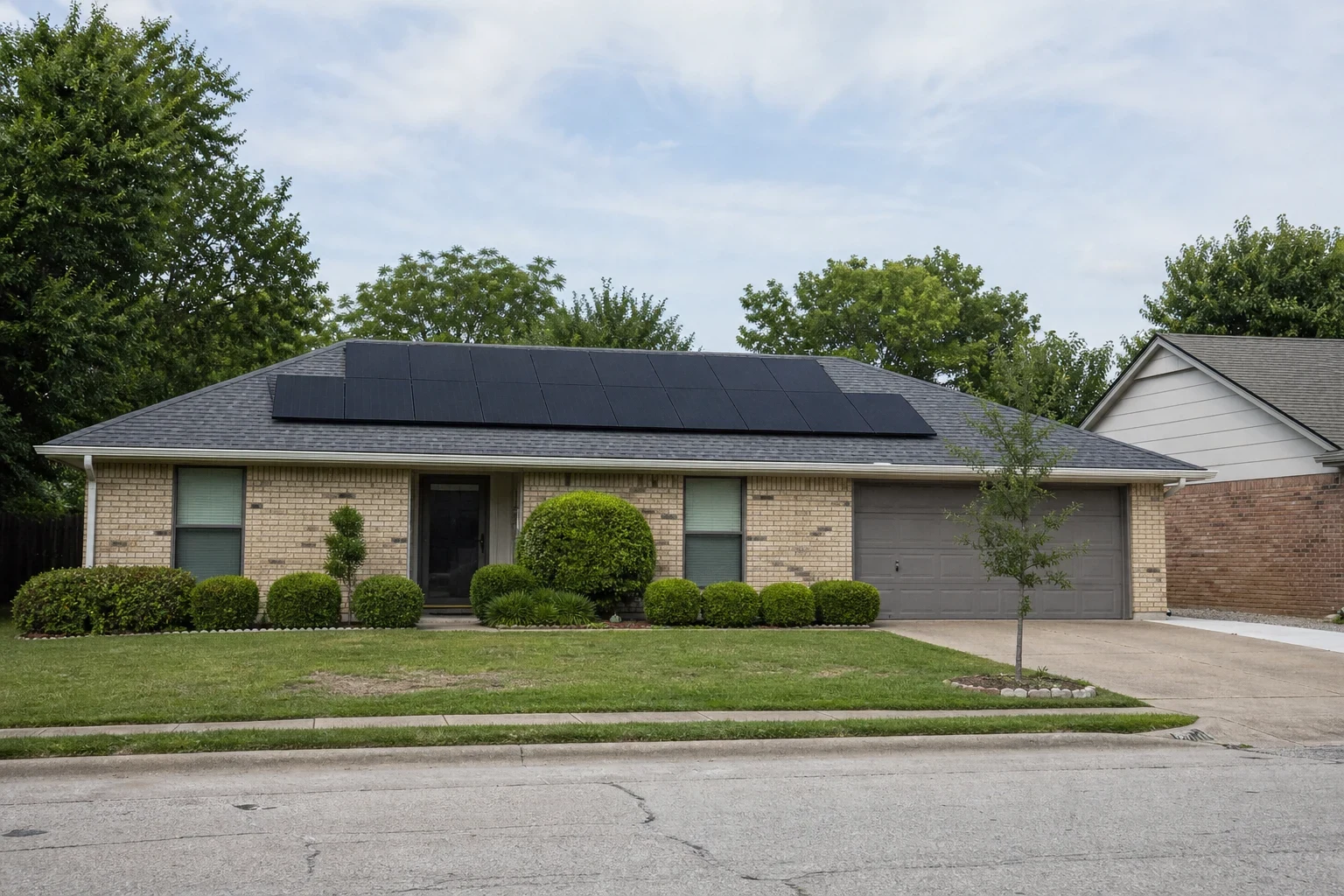
Get your panels producing again
Let us know what the inverter or app says. We'll book a visit, track down the fault and walk you through it before any repair starts.